The Botanical Education Trust made five awards to the total value of R103 640 for the year 2013.
This amount, which comprises interest on the Trust’s capital, was higher than usual because of the many generous donations received early this year, which were matched by our main sponsor the Hans Hoheisen Charitable Trust.
Despite this, the total amount requested exceeded R550 000, meaning that we were only able to fund less than one fifth of the amount needed for the worthy projects submitted to us. It therefore remains crucial that we continue to raise further funds. Those wishing to donate should keep in mind that the Trust has 18A status with SARS, which means that your donations will be tax deductable.
The following grants were made this year:
Kevin Balkwell has been awarded R25 000 to assist in the publication of Volumes 2 & 3 of The Flora of the Witwatersrand. Containing information of use to both amateur and professional botanists, these volumes are due to be extensively used in teaching at the University of the Witwatersrand. The knowledge that will become available to people, such as Environmental Impact Assessment practitioners, will be of great benefit in protecting the remaining pockets of natural vegetation in Gauteng.
Another publication supported by the Trust this year, also with R25 000, is the new field guide to South African orchids by Steve Johnson et al. Replacing the old SA “orchid bible” that went out of print in 1980, this book of over 500 pages will be indispensable to botanists in that field. It will doubtless also encourage a love for our indigenous orchids among the general public and persuade them to become active in protecting the natural habitats of these plants.
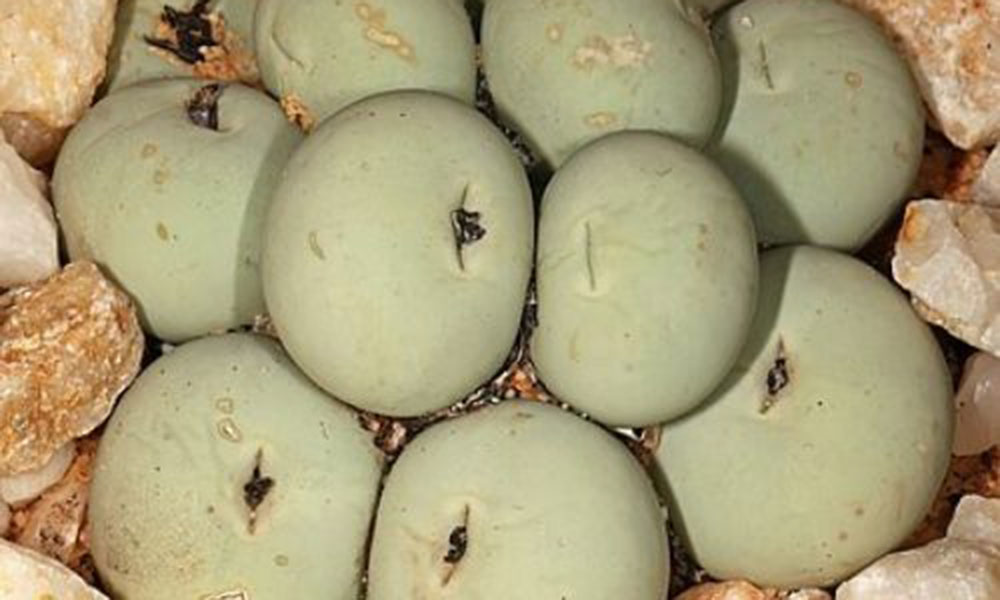
Three of this year’s grants were made to young researchers registered for higher degrees: Margaretha le Roux was awarded R12 940 for her research into the genus Pelargonium, while Simon Magoswana received R20 700 to study the genus Inulanthera and Robyn Powell gets R20 000 towards her work on the genus Conophytum. Poorly documented distribution records and difficulty in identification of many indigenous plant species often impede their conservation. Up to date information is not only critical for the planning done by conservation authorities and when making assessments for species management, but is an essential tool for all custodians of our indigenous flora.